
When Gerald and Eileen Rafferty asked two Adams County offices for the records behind the investigation into their adult daughter’s death, the sheriff’s office provided its file. The coroner withheld hers, citing a provision of Colorado’s criminal justice records law. On Wednesday, the Colorado Court of Appeals upheld an order granting the parents’ request and ruled that a coroner’s investigative records are governed by the state’s general open-records law.
The published decision says the parents sought the files because they questioned the accuracy of some information in the coroner’s report. In an account of the ruling, the Colorado Freedom of Information Coalition reported that the coroner argued that disclosure could hamper investigations and make it harder to protect confidential information. The ruling decides access to the file. It leaves the coroner’s findings about the death in place.
The office that keeps the file matters
The judges applied a test the Colorado Supreme Court used in a 2024 case about the state’s peace officer standards and training board. The high court found that some of that board’s legally authorized work involved direct criminal investigation. The appeals panel said a coroner’s core job is to determine the cause and manner of death. A coroner must consult the district attorney and law enforcement when a death becomes suspicious or possible criminal activity emerges. Law enforcement decides whether to pursue a criminal investigation.
That division of work matters when someone asks for a file. Under the criminal justice records law, a custodian can withhold certain investigative records on public-interest grounds. When an otherwise open record falls under the Colorado Open Records Act and the custodian claims that disclosure would substantially injure the public interest, the statute provides a procedure for seeking a district court order. The burden is on the custodian. Other statutory restrictions on disclosure can still apply.
The judges concluded the coroner had failed to establish grounds under the open-records law for denying the Raffertys’ request. The district court had stayed its order during the appeal. Wednesday’s opinion upholds the family’s right to inspect under that order. The Colorado Freedom of Information Coalition reported that the order allows redactions for legitimate privacy concerns. The appellate court’s formal mandate is still to follow.
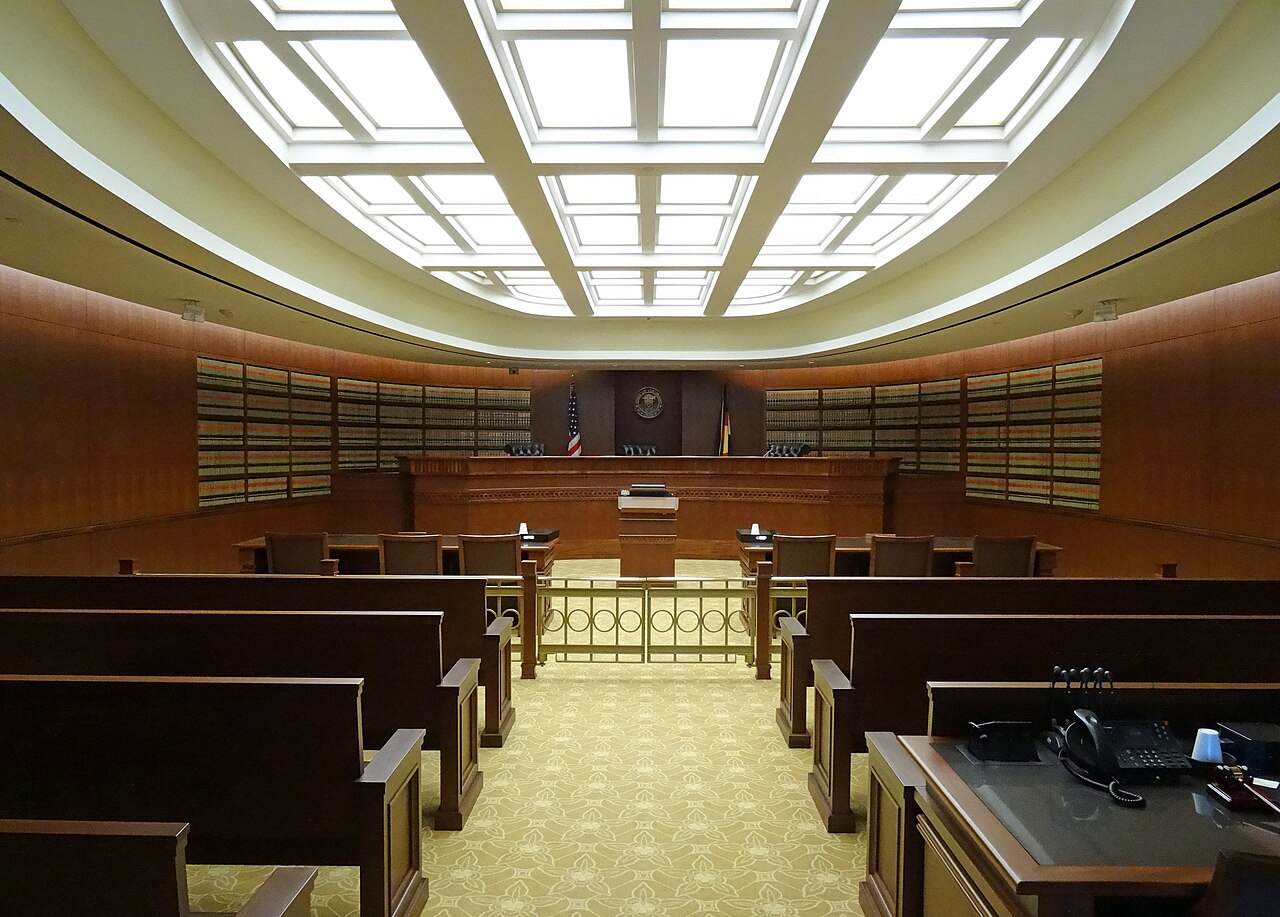
Cover photograph by Jeffrey Beall, CC BY 3.0. Resized and cropped in previews.
